QUALITY AND ALL THAT CARRY ON: A GUIDE TO CHOOSING YOUR CHRISTMAS
DRINKS
As the festive season arrives we’re preparing to eat, drink and be merry. Regular readers of Caskstrength quite possibly pride themselves on choosing their whiskies on the basis of ‘quality’. While this is potentially true, I doubt it. I think something else is driving our decision-making. Here’s why - as well as my ideas to help you be merry this Christmas.
 Before presenting some attributes that I think are now shaping our beverages choices, I want to start
by dissuading you from the notion that quality is the driving factor in your drinks decision-making.
It’s become so commonplace to say that it’s the sole criterion, it’s now offensive or a risk to one’s
reputation to voice otherwise. I can already hear the sound of sharpening knives from people who are
going to question my commitment to quality! Read on before you judge...
Before presenting some attributes that I think are now shaping our beverages choices, I want to start
by dissuading you from the notion that quality is the driving factor in your drinks decision-making.
It’s become so commonplace to say that it’s the sole criterion, it’s now offensive or a risk to one’s
reputation to voice otherwise. I can already hear the sound of sharpening knives from people who are
going to question my commitment to quality! Read on before you judge...
So let me start with this challenge. If you benefit from exquisitely developed whisky taste (buds), the quality criterion forces you to apply the same stringent criteria to other spirits, for example, tequila shots or Irish cream. Or other beverages, such as tea and coffee. And what about food? How was that lamb kebab you enjoyed on the way home at the weekend? Or that High Street sandwich you had for lunch? The reality is that even the best tasters I know don’t apply their skill set far beyond their area of expertise. I’ve eaten greasy chicken wings with winners after spirits awards ceremonies, know brilliant sommeliers who drink instant coffee, baristas who drink builders tea, and chefs that heat ready meals at home.
Some of you will be prickling already. But calm done laddie, there’s no criticism here, it’s just an observation. However, it seems to me that we actually understand these choices to be inconsistent if we pay creed to the idea of ‘quality’ being the driving criterion, so we sweep the crumbs of our takeout dinners under the mat or worse, us foodie types go out of our way to be outright condescending of mass-market food and drink. Furthermore, all the tasters I know have at least one unrefined food or drink indulgence. Mine is Pringles. Buy me a can, I’m yours.
BUYING THE BEST WE CAN AFFORD?
 Moving on, I also need to unpick the notion that people buy the best that they can afford. To do this,
I’m going to cantankerously propose that judging beverage quality is actually quite easy. High quality
beverages are those that are deemed to have 1) many distinct and clearly identifiable flavours, 2) those
flavours have plenty of reach, life or depth and, 3) the flavours and tastes - salty, sweet, acidic, bitter
and umami - have ‘balance’. Accepting that the contentious bit is the consistent assessment of these
attributes, I’m just going to move on and point out that these attributes have traditionally been the
basis of pricing. And here we introduce the concept of ‘value’. It works out nicely that good
ingredients (which are costly), made carefully (by skilled people, who are expensive) and left to
mature (time is money) typically benefit from the above flavour attributes and command a
corresponding price point. This has become so ingrained that even uneducated consumers accept the
logic. Just say something like ‘quality ingredients’, ‘skilled craftsmen’ or ‘maturation’ and people nod
their heads with an appreciation of the price. Of course, quality and price don’t always match, and
where there’s a gap, we blame marketing.
Moving on, I also need to unpick the notion that people buy the best that they can afford. To do this,
I’m going to cantankerously propose that judging beverage quality is actually quite easy. High quality
beverages are those that are deemed to have 1) many distinct and clearly identifiable flavours, 2) those
flavours have plenty of reach, life or depth and, 3) the flavours and tastes - salty, sweet, acidic, bitter
and umami - have ‘balance’. Accepting that the contentious bit is the consistent assessment of these
attributes, I’m just going to move on and point out that these attributes have traditionally been the
basis of pricing. And here we introduce the concept of ‘value’. It works out nicely that good
ingredients (which are costly), made carefully (by skilled people, who are expensive) and left to
mature (time is money) typically benefit from the above flavour attributes and command a
corresponding price point. This has become so ingrained that even uneducated consumers accept the
logic. Just say something like ‘quality ingredients’, ‘skilled craftsmen’ or ‘maturation’ and people nod
their heads with an appreciation of the price. Of course, quality and price don’t always match, and
where there’s a gap, we blame marketing.
Now many of you have sufficiently good enough palates to taste through marketing. If you can do this (and I’ve kinda made the assumption that most Caskstrength readers can), I’m primarily talking about consumers like you. I’ve got no market data to support my idea but I’m inclined to think that we’re probably not the largest market segment, nor are we probably the highest spending, but my observation is that there are a significant, informed and quickly growing number of us and if you’re like my friends you’re rather vocal about your opinions. Caught between super-premium luxury products and commodity grade, we’re the ‘squeezed middle’ of beverage Britain. I also think that we’re a really interesting demographic because we’re the early and middle stage adopters and our opinions end up shaping the trends that go into the mass market. If you know what I am talking about, then you’ll also know that buying the best you can afford is a desperately disappointing experience. In short, you’re too well informed about what’s out there to be satisfied with the thing that is a pale comparison of the original or the best.
So if quality, price and marketing are not driving our decision-making, what is?
AN EXAMPLE FROM COFFEE
 Before I take a stab at answering this, I’m going to shift to a beverage that I know more about: coffee.
While I largely select coffees on the basis of the breadth and vitally of the flavours, you might be
interested to know that ageing provides no benefit to coffee; in fact, it’s a flavour killer. Once coffee is
harvested and processed, everything is in decline. This is true for pretty much every aspect of a coffee
post-pick. Few coffees last well more than 12 months; all last just a few days after roasting (or around
16 days for espresso); and just seconds after grinding (despite what those hawkers of ground coffee
might tell you). This is depressing news for the coffee professional as well as the enthusiast. I’ve long
been jealous of (and inconvenienced by) my spirits friends who crack open a good bottle and fill my
glass. It has been necessary to reciprocate their generosity by demonstrating the intricate coffee-
making process at a location where I have sufficient equipment to precisely weigh the coffee, measure
the water temperature, filter the water and time the extraction. Making coffee is delicate and hard
work (oh, and this is all for a cup of coffee that retails between £2.50 - £3.00 compared to pouring a
dram at £8 plus. Well done whisky, you have the margins and the ease of service sorted. Coffee has a
lot to learn, but that’s another story).
Before I take a stab at answering this, I’m going to shift to a beverage that I know more about: coffee.
While I largely select coffees on the basis of the breadth and vitally of the flavours, you might be
interested to know that ageing provides no benefit to coffee; in fact, it’s a flavour killer. Once coffee is
harvested and processed, everything is in decline. This is true for pretty much every aspect of a coffee
post-pick. Few coffees last well more than 12 months; all last just a few days after roasting (or around
16 days for espresso); and just seconds after grinding (despite what those hawkers of ground coffee
might tell you). This is depressing news for the coffee professional as well as the enthusiast. I’ve long
been jealous of (and inconvenienced by) my spirits friends who crack open a good bottle and fill my
glass. It has been necessary to reciprocate their generosity by demonstrating the intricate coffee-
making process at a location where I have sufficient equipment to precisely weigh the coffee, measure
the water temperature, filter the water and time the extraction. Making coffee is delicate and hard
work (oh, and this is all for a cup of coffee that retails between £2.50 - £3.00 compared to pouring a
dram at £8 plus. Well done whisky, you have the margins and the ease of service sorted. Coffee has a
lot to learn, but that’s another story).
Having had the privilege of walking a number of incredible people in the spirits industry through the coffee-making process, my observation is that they’re all bored to tears - until they actually get to drink some coffee. At this point, I have their full attention. The strange thing is that despite having some of the best tasting palates in the world, they can’t definitively say that the coffee is good as it’s typically outside of their reference points (this ties in with my point above about the transferability of tasting skills). However, so far, they’ve universally been won over and I want you to understand that while initially they can’t judge it accurately, they’re sold because the beverage gives them a sense of ‘it’s just right’ or ‘something interesting is going on here’. And this is where I introduce my concept of ’pleasure’. A google search defines pleasure as ‘a feeling of happy satisfaction and enjoyment’.
PLEASURE
To further test my theory and demonstrate my point, I presented the awarded and qualified owners of this site with a modification of the Desert Island Disc conundrum: ‘Which single whisky would you take to a solitary existence on a desert island, of course, along with your eight music tracks, the Bible and the complete works of Shakespeare?’

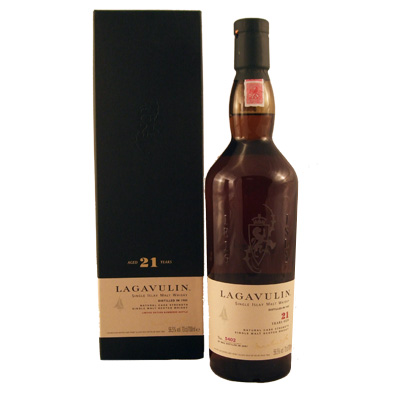
 Interestingly, both responded with a shortlist of two and they both had a whisky in common. Neil
Ridley (for the sake of clarity, no direct relation of mine) chose a Lagavulin 16 or White Horse blended
whisky and Joel Harrison also selected Lagavulin 16 or Balvenie Double Wood. These are whiskies you
can pick up at a good bottle shop. If I could only have one coffee for the rest of my life it’d probably be
Interestingly, both responded with a shortlist of two and they both had a whisky in common. Neil
Ridley (for the sake of clarity, no direct relation of mine) chose a Lagavulin 16 or White Horse blended
whisky and Joel Harrison also selected Lagavulin 16 or Balvenie Double Wood. These are whiskies you
can pick up at a good bottle shop. If I could only have one coffee for the rest of my life it’d probably be
As the festive season arrives we’re preparing to eat, drink and be merry. Regular readers of Caskstrength quite possibly pride themselves on choosing their whiskies on the basis of ‘quality’. While this is potentially true, I doubt it. I think something else is driving our decision-making. Here’s why - as well as my ideas to help you be merry this Christmas.
Before presenting some attributes that I think are now shaping our beverages choices, I want to start
by dissuading you from the notion that quality is the driving factor in your drinks decision-making.
It’s become so commonplace to say that it’s the sole criterion, it’s now offensive or a risk to one’s
reputation to voice otherwise. I can already hear the sound of sharpening knives from people who are
going to question my commitment to quality! Read on before you judge...
So let me start with this challenge. If you benefit from exquisitely developed whisky taste (buds), the quality criterion forces you to apply the same stringent criteria to other spirits, for example, tequila shots or Irish cream. Or other beverages, such as tea and coffee. And what about food? How was that lamb kebab you enjoyed on the way home at the weekend? Or that High Street sandwich you had for lunch? The reality is that even the best tasters I know don’t apply their skill set far beyond their area of expertise. I’ve eaten greasy chicken wings with winners after spirits awards ceremonies, know brilliant sommeliers who drink instant coffee, baristas who drink builders tea, and chefs that heat ready meals at home.
Some of you will be prickling already. But calm done laddie, there’s no criticism here, it’s just an observation. However, it seems to me that we actually understand these choices to be inconsistent if we pay creed to the idea of ‘quality’ being the driving criterion, so we sweep the crumbs of our takeout dinners under the mat or worse, us foodie types go out of our way to be outright condescending of mass-market food and drink. Furthermore, all the tasters I know have at least one unrefined food or drink indulgence. Mine is Pringles. Buy me a can, I’m yours.
BUYING THE BEST WE CAN AFFORD?
Moving on, I also need to unpick the notion that people buy the best that they can afford. To do this,
I’m going to cantankerously propose that judging beverage quality is actually quite easy. High quality
beverages are those that are deemed to have 1) many distinct and clearly identifiable flavours, 2) those
flavours have plenty of reach, life or depth and, 3) the flavours and tastes - salty, sweet, acidic, bitter
and umami - have ‘balance’. Accepting that the contentious bit is the consistent assessment of these
attributes, I’m just going to move on and point out that these attributes have traditionally been the
basis of pricing. And here we introduce the concept of ‘value’. It works out nicely that good
ingredients (which are costly), made carefully (by skilled people, who are expensive) and left to
mature (time is money) typically benefit from the above flavour attributes and command a
corresponding price point. This has become so ingrained that even uneducated consumers accept the
logic. Just say something like ‘quality ingredients’, ‘skilled craftsmen’ or ‘maturation’ and people nod
their heads with an appreciation of the price. Of course, quality and price don’t always match, and
where there’s a gap, we blame marketing.
Now many of you have sufficiently good enough palates to taste through marketing. If you can do this (and I’ve kinda made the assumption that most Caskstrength readers can), I’m primarily talking about consumers like you. I’ve got no market data to support my idea but I’m inclined to think that we’re probably not the largest market segment, nor are we probably the highest spending, but my observation is that there are a significant, informed and quickly growing number of us and if you’re like my friends you’re rather vocal about your opinions. Caught between super-premium luxury products and commodity grade, we’re the ‘squeezed middle’ of beverage Britain. I also think that we’re a really interesting demographic because we’re the early and middle stage adopters and our opinions end up shaping the trends that go into the mass market. If you know what I am talking about, then you’ll also know that buying the best you can afford is a desperately disappointing experience. In short, you’re too well informed about what’s out there to be satisfied with the thing that is a pale comparison of the original or the best.
So if quality, price and marketing are not driving our decision-making, what is?
AN EXAMPLE FROM COFFEE
Before I take a stab at answering this, I’m going to shift to a beverage that I know more about: coffee.
While I largely select coffees on the basis of the breadth and vitally of the flavours, you might be
interested to know that ageing provides no benefit to coffee; in fact, it’s a flavour killer. Once coffee is
harvested and processed, everything is in decline. This is true for pretty much every aspect of a coffee
post-pick. Few coffees last well more than 12 months; all last just a few days after roasting (or around
16 days for espresso); and just seconds after grinding (despite what those hawkers of ground coffee
might tell you). This is depressing news for the coffee professional as well as the enthusiast. I’ve long
been jealous of (and inconvenienced by) my spirits friends who crack open a good bottle and fill my
glass. It has been necessary to reciprocate their generosity by demonstrating the intricate coffee-
making process at a location where I have sufficient equipment to precisely weigh the coffee, measure
the water temperature, filter the water and time the extraction. Making coffee is delicate and hard
work (oh, and this is all for a cup of coffee that retails between £2.50 - £3.00 compared to pouring a
dram at £8 plus. Well done whisky, you have the margins and the ease of service sorted. Coffee has a
lot to learn, but that’s another story).
Having had the privilege of walking a number of incredible people in the spirits industry through the coffee-making process, my observation is that they’re all bored to tears - until they actually get to drink some coffee. At this point, I have their full attention. The strange thing is that despite having some of the best tasting palates in the world, they can’t definitively say that the coffee is good as it’s typically outside of their reference points (this ties in with my point above about the transferability of tasting skills). However, so far, they’ve universally been won over and I want you to understand that while initially they can’t judge it accurately, they’re sold because the beverage gives them a sense of ‘it’s just right’ or ‘something interesting is going on here’. And this is where I introduce my concept of ’pleasure’. A google search defines pleasure as ‘a feeling of happy satisfaction and enjoyment’.
PLEASURE
To further test my theory and demonstrate my point, I presented the awarded and qualified owners of this site with a modification of the Desert Island Disc conundrum: ‘Which single whisky would you take to a solitary existence on a desert island, of course, along with your eight music tracks, the Bible and the complete works of Shakespeare?’
Interestingly, both responded with a shortlist of two and they both had a whisky in common. Neil
Ridley (for the sake of clarity, no direct relation of mine) chose a Lagavulin 16 or White Horse blended
whisky and Joel Harrison also selected Lagavulin 16 or Balvenie Double Wood. These are whiskies you
can pick up at a good bottle shop. If I could only have one coffee for the rest of my life it’d probably be
a high-grade Kenya or high-altitude Colombian coffee. Neither are cheap, but similarly they’re
regularly available and far from luxury products.
Now, truth be told, I could have used pretty much anyone with a half-decent palate for the above two examples. I just wanted to bolster the credibility of my argument by referencing your captains of industry and the Caskstrength crew.
My thesis is that despite all the talk amongst us foodie types about quality and how it is achieved, we are more fundamentally hardwired to pursue and choose ‘pleasure’. My theory is that people don’t move from mass-market to quality, they move from commodity and brand, with the help of knowledge, to hedonism. If this is the case, how can we have a clear framework for judging a beverage’s quality, but not its pleasure-inducing attributes.
DEVELOPING A FRAMEWORK TO JUDGE THE PLEASURE-INDUCING ABILITIES OF A BEVERAGE
So, here’s my starting point for developing a framework for what makes beverages pleasurable, and therefore what we should be buying this Christmas to be happy:
They are made for you
I can make better coffee than most, but my favourite coffee of the day is usually the one made for me. The same goes for food and is part of the reason why restaurant dining can be so enjoyable. There is a difficult to define but easy to recognise ‘generosity of spirit’ that has to be at the heart of good hospitality and food and drink, whether that’s in a commercial establishment or at home. Creators of beverages need to make them for others to enjoy, not just for themselves or at the dictates of their production line. If you’re in doubt, go talk to the producer and hear their motivations. Also, you can show generosity of spirit and lift someone else’s enjoyment by serving them a beverage.
A shared experience
Drinking should be a social experience. I like to point out that pretty much all beverages are historically made in volumes to serve a group of people. A one glass wine cask? A Chinese tea ceremony for one? It sounds wrong, and for good reason. Drinks should bring people together. I think that you should choose drinks that the entire table can enjoy.
A true and simple story
Of course, most simple stories are not true, but the point is we need straightforward narratives to be able to grapple with unfamiliar things. The details of the coffee-making process are too intricate for even inquisitive beverage professionals from other sectors. So, I’ve learnt to serve first, pique interest and then explain. I’m still looking for a simple, but true, story on coffee-making.
There are way markers
There is a trend in art galleries for less information to be provided about the artworks because the idea is that people should be free to experience whatever the art speaks to them. I’m all for this, but many of us lack the vocabulary and framework to explain - and therefore meaningfully share or understand - our experience. If you’ve ever felt lost standing in front of a painting, then apply this feeling to how many consumers feel about beverages. We need to provide the right level of information, background, context whilst retaining sufficient room for individual discovery and personal preference.
Now, truth be told, I could have used pretty much anyone with a half-decent palate for the above two examples. I just wanted to bolster the credibility of my argument by referencing your captains of industry and the Caskstrength crew.
My thesis is that despite all the talk amongst us foodie types about quality and how it is achieved, we are more fundamentally hardwired to pursue and choose ‘pleasure’. My theory is that people don’t move from mass-market to quality, they move from commodity and brand, with the help of knowledge, to hedonism. If this is the case, how can we have a clear framework for judging a beverage’s quality, but not its pleasure-inducing attributes.
DEVELOPING A FRAMEWORK TO JUDGE THE PLEASURE-INDUCING ABILITIES OF A BEVERAGE
So, here’s my starting point for developing a framework for what makes beverages pleasurable, and therefore what we should be buying this Christmas to be happy:
They are made for you
I can make better coffee than most, but my favourite coffee of the day is usually the one made for me. The same goes for food and is part of the reason why restaurant dining can be so enjoyable. There is a difficult to define but easy to recognise ‘generosity of spirit’ that has to be at the heart of good hospitality and food and drink, whether that’s in a commercial establishment or at home. Creators of beverages need to make them for others to enjoy, not just for themselves or at the dictates of their production line. If you’re in doubt, go talk to the producer and hear their motivations. Also, you can show generosity of spirit and lift someone else’s enjoyment by serving them a beverage.
A shared experience
Drinking should be a social experience. I like to point out that pretty much all beverages are historically made in volumes to serve a group of people. A one glass wine cask? A Chinese tea ceremony for one? It sounds wrong, and for good reason. Drinks should bring people together. I think that you should choose drinks that the entire table can enjoy.
A true and simple story
Of course, most simple stories are not true, but the point is we need straightforward narratives to be able to grapple with unfamiliar things. The details of the coffee-making process are too intricate for even inquisitive beverage professionals from other sectors. So, I’ve learnt to serve first, pique interest and then explain. I’m still looking for a simple, but true, story on coffee-making.
There are way markers
There is a trend in art galleries for less information to be provided about the artworks because the idea is that people should be free to experience whatever the art speaks to them. I’m all for this, but many of us lack the vocabulary and framework to explain - and therefore meaningfully share or understand - our experience. If you’ve ever felt lost standing in front of a painting, then apply this feeling to how many consumers feel about beverages. We need to provide the right level of information, background, context whilst retaining sufficient room for individual discovery and personal preference.
It’s difficult, but not too difficult
I’m sure you all know the story about Betty Crocker’s failed introduction of instant cake mix and subsequent success once the formula and marketing was amended to require “women” (sorry, their story not mine) add an egg to the box mix before baking the cake. Adding effort is rewarding. We need to find ways to get involved. Start with something basic like serving your drinks at the right temperature.
Knowing when to serve clarity, comfort or complexity
I have an idea that people default to one of three camps when tasting for pleasure. Some people like clarity, which I define as a clear expression of flavours, ideally showing a correlation between production and palate. Some people default for beverages that provide a sense of reassurance and comfort. And some people lean towards drinks that emotionally energise and excite them. I can think of malts in each of these categories. A slightly more nuanced approach is to say that it depends on the occasion, but my experience suggests people have deep-seated defaults. I generally prefer complexity and clarity. I ideally want to be inspired by what I drink and if it’s less than inspirational I at lease want to be drinking a clear expression of the style. Know yourself, know the room and serve accordingly.
It’s of quality
I’m not trying to reduce the importance of quality, rather I’m saying that it’s not enough and nor is it the sole driving factor in the selection of beverages for an important and growing section of the population. Not everything I enjoy is technically brilliant, and neither is everything that scores high points enjoyable for me. I can already hear a debate about whether Scotch or Japanese whiskies are more enjoyable.
Is good for you
I have all sorts of ideas about various forms of production, the use of pesticides and chemicals and how beverages are stored. This is not the place to impose my ideals, but it is fair to point out that food and drink should nurture, not damage, our bodies. Do your own research, get your own ideas and choose things that your body responds well to.
Think that it’s expensive
You’ve probably seen Benjamin Wallace’s TED talk on super-premium items and how our bodies actually register greater pleasure from items we believe to be expensive. It’s yet more evidence of just how fickle we are as a species, but it’s good news if you turn the logic on its head. Just thinking it’s good can lift your enjoyment. You could even do the Christmas dining table a service by giving them the impression that the beverages are more expensive than they really are. Just be wary of using the ‘was’ price at the wine merchant or supermarket as your reference point over the festive season.
The retention of context
This is tricky in a globalised world both because of the variety of what’s available and we are quickly losing our reference points for traditional and seasonal pairings. Living in London, I drink coffee from the Americas, wine from France, tea from Japan and whisky from Scotland on a regular basis. However, something magic happens when food and drink that evolved together are paired together. That said, I’m not against fusion, but throwing things together - no matter how good they individually are - never works.
A SEMI-SCIENTIFIC FORMULA FOR CHOOSING A DRINK
With a framework in development, we now need a formula to help us rank and choose the most
pleasure-inducing drinks. I propose:

Where:
P = Pleasure. Scores between 1 and 100 are possible. You should aim to be higher than 5 and things get really interesting over 10.
Calculate P by giving values to:
Ip = Individual pleasure. Estimate the pleasure you’d get from a particular drink, using the above framework on a scale of 0 to 10. (e.g. a bit below average is a 4 and above average is a 7)
Gp = Group pleasure estimate. Estimate the pleasure the group would get from a particular drink, using the above framework on a scale of 0 to 10. (e.g. above average is a 7 and below average is a 4)
Pr = Rank the beverage’s price on a scale of 0 - 10, where 0 is free and 10 is expensive* (e.g. an average price is 5 and slightly expensive is 7)
* Obviously, free drinks are off the scale!
Using the examples:
P = Pleasure. Scores between 1 and 100 are possible. You should aim to be higher than 5 and things get really interesting over 10.
Calculate P by giving values to:
Ip = Individual pleasure. Estimate the pleasure you’d get from a particular drink, using the above framework on a scale of 0 to 10. (e.g. a bit below average is a 4 and above average is a 7)
Gp = Group pleasure estimate. Estimate the pleasure the group would get from a particular drink, using the above framework on a scale of 0 to 10. (e.g. above average is a 7 and below average is a 4)
Pr = Rank the beverage’s price on a scale of 0 - 10, where 0 is free and 10 is expensive* (e.g. an average price is 5 and slightly expensive is 7)
* Obviously, free drinks are off the scale!
Using the examples:

So, you’re better to buy a drink that the group moderately enjoys that you don’t like so much at a
middling pricing than buy something you really like that the group doesn’t like (unless it’s cheaper).
But if this theory is any good, then you already knew that right? And that’s my point, there’s definitely something going on here - and we all know it. May you have a very Merry Christmas.
But if this theory is any good, then you already knew that right? And that’s my point, there’s definitely something going on here - and we all know it. May you have a very Merry Christmas.