Translate Caskstrength!

Showing posts with label cask strength. Show all posts

Wednesday, 18 June 2014

Absent Friends: Lagavulin & Caol Ila Feis Ile Bottlings


Bling comes to Paradise Island
For the better part of a decade now, Caskstrength has been trekking up to Scotland on an annual pilgrimage to Islay, for the annual Festival of Music and Malt, the Feis Ile. It is a thoroughly enjoyable event and one of the warmest whisky welcomes you can receive anywhere in the world, with outstanding whiskies and tasting sessions, the likes of which are rarely seen outside of festival time. Put it this way, when else would you see Micky Heads, dressed as a Gangsta Rap star?

This year however, our diaries did not allow for a trip up to the whisky isle during festival time, due to other presenting and writing commitments. Fortunately we had already popped in to say a quick hello to the good people of Islay with a visit a few weeks beforehand. With the most recent Caskstrength post being on the latest Laphroaig offering, the next two will feature other Islay distilleries and some of their more unusual output, as a tribute to the great festival.

One of the big draws for visitors to the festival is the annual batch of special releases which the distilleries roll out and there has been no change at the 2014 festival, with the island's eight distilleries (and not forgetting Jura, too) creating something unusual and limited to reward those making the long journey to the Inner Hebrides.  The outturns have changed significantly since the distilleries got behind the festival began back in 2000  - and considerably since 2007, when Caskstrength began its Islay voyages.  

Alas, gone are the single cask offerings, replaced by bottling runs much larger in number. A shame, as we feel that the travellers making the (not inconsiderable) effort to get to Islay should be rewarded for their efforts. But with the huge success of the week-long event and vastly increased visitor numbers, the small outturns left a lot of visitors extremely disappointed when they couldn't pick up a special bottling from their favourite distillery, only to see said bottles arrive on popular auction sites for super-inflated prices a week later.  

It's simply a case of dammed if they do, dammed if they don't for the distillers.  One option could be to explore the possibility of customising the releases for the bottles purchased at the distillery.  Perhaps a special necker/ hand applied shoulder label, or a different capsule colour - or a simple space on the back label for the distillery manager to add a signature if you can track the busy folks down... food for thought, marketing folks out there. 

Anyway, a sample from each of Diageo's Islay-owned distilleries (Caol Ila and Lagavulin) turned up earlier this week, which we were eager to explore. Regular readers will be aware that we usually keep a daily diary of our adventures at Feis Ile and the seven previous Lagavulin releases have been superb, so this gives us a good opportunity to look back at those releases, while trying the 2014 edition. Click on the dates below if you want to see our tasting notes from the previous bottles: Alas, 2007's tasting notes seem to be lost somewhere in the darkest archives of the website, but trust us, it was a fabulous release. 


Lagavulin - Feis Ile 2014 - Distilled 1995 - Bottled 2014 - 54.7% - 3,500 bottles

Nose: A dry, medicinal/carbolic note opens up the proceedings, followed by classic Laga smoky bacon/charred meat, Star Wars figures (apologies, as we've used this ref. before, but take a whiff of a vintage Princess Leia or Chewy action figure and you'll see what we mean... sad but true) some earthy, moist leaves and darker sherry wood notes. The charred notes are dominant, as is the dryness. It's not the most sizzling and vibrant of Lagas, but let's not forget that this is nearly 20 years old now and maturity has taken this beast in a much more sublime direction. 

Palate: Sweet off the bat, into a swathe of drying woody notes, some sweetened black Lapsang tea, more smoked meat, with a surge of peat, zesty lemons and a dusting of both coal and icing sugar. It's rich, powerful and dry, but hangs onto the right side of woody, before the rot begins to set in. 

Finish: Very lengthy, with the smoke subsiding and the resonant sherry sweetness coating the tongue.  

Overall: A tricky toss up here: The recent Jazz Festival bottlings perhaps edge this for sheer brilliance, but without doubt, it still claims a premier spot when it comes to limited edition peated gems. Given the pedigree of Lagavulin - and its staple core whisky with the 16 year old, which pretty much redefines peated whisky, there will always be high expectations placed on the shoulders of those involved in the choosing the releases. Again, they have played a blinder, as this one will absolutely delight the enthusiasts who can get hold of one. 

Our 'mini-journey-from-our-desk' takes us up and onwards to the north of the island, to Lagavulin's sister distillery, Caol Ila. It always amazes us just what a consistent dram Caol Ila is, from the excellent core rage offerings through to independent single casks, rarely do we find a bottling from this distillery that is not exceptionally drinkable. 

When it comes to festival bottles, Caol Ila has also been releasing a series which started off as single casks and developed into longer run offerings, kicking off in 2008.


Caol Ila - Feis Ile 2014 - distilled 2002 - Bottled 2014 -55.5% - 1,500 bottles


Nose: Tremendously spicy on the first sniff, with cloves, cassia bark and a sprinkling of nutmeg, all vying for your attention with black pepper and of course some sweet peat smoke. It's incredibly aromatic, light in character and also in possession of a little fruitiness too: think soft ripened bananas and some freshly picked raspberries too. 

Palate: Very sweet, into the classic lingering Caol Ila sootiness, but backdropped by sweet black coffee, some oaky smoke, a touch of orange zest and nutty breakfast cereal.  On the back there's a slight menthol which, all in all, gives this a sublime balance.  

Finish: Lingering sweetness and a fresh zesty orange note nestles against the slightly sooty/dry peat.

Overall: An outstanding release. Not too woody (somewhat ironic, given the nickname of the current distillery manager, David Woods) and well balanced, this is a whisky with swagger strength and balance. A great bottling indeed.

It is clear to see how there has been a shift in strategy of the Feis Ile bottlings released by the Diageo-owned Islay distilleries in the last two years with the runs increasing dramatically to meet the demand. But this is an issue faced by every distillery on the island and with the continued fascination that Islay holds for new whisky enthusiasts, it is only going to get more tricky to cater for everyone wanting something special. When it comes to the Lagavulin, £99 for a limited release 19 year old is is a valiant attempt to 'keep things real' with the pricing strategy, which has, in recent years become a little absurd.

Fair play guys and see you bright and early next year.   

Wednesday, 19 March 2014

The Secret Life of the Pensioner: Master Of Malt 60 Year Old


Old age is a funny thing.

In life, we look at old age as something to be fearful of. Things stop working the way they should. We slow down, most likely become more intolerant of the things that irritate us and reminisce about the 'good old days'. In fact, the archetypal pensioner in the UK comes in for a lot of stick really.

In whisky however, people seem to think that older is definitely better. Whilst it is fine to applaud complexity and wisdom, championing the well-seasoned and the mature, simply using age as the be-all- and-end-all indicator of quality seems absurd.

But as we all know, both life and whisky are full of surprises.

What. A. Legend. 
When Fauja Singh first ran the London Marathon back in 2000, he was one year shy of his 90th birthday and clocked a time of six hours and 54 minutes. Impressive stuff. By the time he had completed his 5th London Marathon he had shaved nearly an hour off that time and became the world record holder for his age range - aged 93. Now aged 102, his achievements keep getting all the more remarkable -  he can still run 10k in an hour and a half.


We couldn't find a suitable
picture of an rubbish old whisky,
so here's Flavio Briatore in a thong. 
Conversely, there are some truly terrible old whiskies. Bitter, brittle and well past their best, they coast ungracefully into an oaky retirement home of obscurity, still thinking they're as vibrant as they were 20 years their junior.

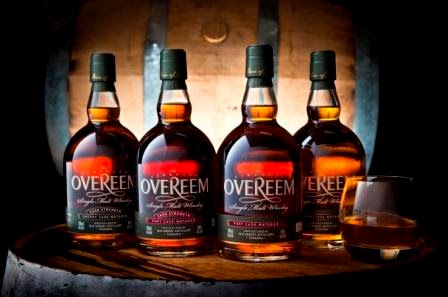
Likewise, there are some excellent age-defying whiskies that continually challenge the logic of older is better.  Consider the recent Brora 40 year old we reviewed a few weeks ago. Stuffed full of complexity, yet still as vibrant as a Hoxton hipster's moustache. In the same post, we referenced Overeem's magnificent sherry cask bottling which is likely to have only just seen its 5th birthday, yet has a startlingly broad array of complex flavours. Go figure...

We continue this theme with the launch of yet another old-aged head turner. (Thankfully not wearing a thong)

Master Of Malt continue to surprise and delight with their diverse portfolio of releases: from the brilliantly constructed barrel aged cockails, gins and other maverick gems, through to some serious single cask releases.  Their latest is no exception, this time weighing in at 60 years old.

Carrying the banner of the Secret Bottlings Series, this ancient Speysider (no real clues to which distillery it comes from, although we have a couple of ideas) allows the chaps to bring in some very old stock for a very decent price. £999 is what this will set you back  - yes, still a lot, but clearly a fraction of what this would have cost if the distillery name was included on the label.

With anything this age, one has to leave any preconceptions aside:  If whisky were measured in dog years, this would weigh in at 420. Lucky it isn't, but our impressions of the majority of whiskies the wrong side of 50 have left a lot to be desired - save for Highland Park's initial batch of 50 year old and the absolutely stellar Bowmore 50 year old which was released at the end of last year.  How will this fare?...


Master Of Malt  -  60 Year Old - Secret Bottling Series -  42.2% - £999

Nose: White grapes, some apple sour sweets, quite distinct herbal notes and then a nice waft of polished oak furniture. The age is present in a dusty, hot landscape-style aroma, but is still surprisingly restrained. Given a little time in the glass, toffee apple and sweet tea notes begin to come to the fore, giving this a very complex aroma.

Palate: Milk chocolate and rich sticky flapjack coat the mouth with a swathe of leather bound books and some dark cherry notes. Given a little more time to open up we find Black Forest gateau with a large dollop of vanilla sweetened cream, which makes for a palate both spicy and sweet - with a good vibrancy for its age. The oak is there, but again mercifully, not cladding the walls of the glass, like a Highland Castle drawing room.  

Finish: The cherry notes leave their mark, this time backed with nutmeg and cinnamon spice alongside some sweeter vanilla notes. 

Overall: An OAP whisky who has wisdom, wit and can probably run a marathon quicker than most middle aged posers in their expensive sportswear. Keep an eye on it too...it'll probably have charmed the pants of your missus within five minutes of being introduced. A truly surprising elderly gent with the physique and personality of a whisky 30 years its Jr. If it were a real person it would clearly be this person...


Thursday, 6 March 2014

Streuth! A Quick Chat With Casey Overeem, Founder of the Old Hobart Distillery


'I'll never forget meeting my uncle in Norway many years ago now', says Casey Overeem, with a smile on his face.  

'When I arrived at his house, he said (in his somewhat broken English) 'Casey...you... me... friends'... and we went down into his cellar - and there in a cupboard, dripping away, was a little still.  After a few minutes we had a glass worth each and he said Skal! Well, I thought he meant 'Skull' (meaning 'down in one') which probably wasn't the greatest thing to do with spirit straight off the still at 70%.' 


This was the first experience of distilling for the highly affable and down-to-earth Overeem and clearly, the brutal, high strength spirit he had just knocked back must have made its mark in more ways than one. Today, The Old Hobart distillery which Overeem founded back in 2005 is steadily securing a reputation around the world for arguably producing Tasmania's best whisky, with new fans discovering the small but exquisite range mostly on the recommendation of those in-the-know or from the growing number of glowing reviews. We can put our hands up and say that we are keen supporters of the work Casey and his team are doing, first trying the range of four whiskies last year purely by chance.


To say we were impressed would be an understatement. We caught up with Casey on a recent visit to London to discuss the ethos behind the distillery and what he believes is the secret behind the burgeoning whisky scene in Tasmania. 


First up though, we're keen to find out what made Casey continue with his fascination into distilling after such a highly spirited introduction.

'Well I wasn't a whisky aficionado or anything like that. It was really down to my experience in Norway,' he explains. 'I said to Greta, (Casey's wife) i've gotta build one of those stills when we get back home. I basically got a beer vat and started brewing using sugar as the base - like a rum.  Well, that didn't taste much good at all, so we really started doing some proper research about cut points and then over the next five years we learnt to make whisky.' 

Back then, it was a case of Casey sticking his finger in the glass and setting it on fire to determine the stage of the spirit run, but now, after running Old Hobart for around a decade, everything seems to have settled into its right place. 

'Now we don't really have any specific technique to determine cut points etc, it's all done by nose as the runs are so consistent,' he points out. Our stills are made by a guy in Hobart called Peter Bailey- he does everything from copper shaping to welding, boiler making and still design,' he continues, 'which is why I guess distilling has taken off so well in Tasmania. We have two stills: a wash and a spirit, with electric heating elements underneath, which makes them very clean inside. We tried to emulate what would have happened when they were direct fired from underneath. When I was in Scotland, I took a load of pictures of different stills, mainly for the lyne arms, particularly the ones which gave a heavier, more oily new make spirit which is what I was looking for. I think you'll find ours bears a certain resemblance to a popular one on Islay', he says grinning... 'They're such a special bunch of distillers there - and we owe them a lot of gratitude as they were very helpful when we were setting up the distillery.'


So how many casks do you fill now? 

'We fill about one barrel a week now- maybe 60 in the course of a year, all into 100 litre first-fill casks. 

'So a very small outturn then?

'For sure. Funnily enough, a mate of ours was visiting Islay recently and mentioned to a distiller that he had a friend who owned a distillery back home. The distiller asked how many casks we were filling and laughed when our mate told him."We probably spill more than that a year", was his response!'

'How did you determine what sort of wood you wanted to use?'

'Well Bill Lark (owner of the Lark distillery and one of the founding fathers of the resurgence in Australian whisky making) and I went to Scotland in 2005 and one of the head distillers on a tour said that if they could afford it they would mature everything in 100 litre barrels, so Bill took that on board and I followed suit. Nearly everything we fill into is from cut down ex-Australian port or sherry casks from French oak - filled at 63.5% - but the Angels' Share is extremely high here. In five years we've probably lost about 20% of the spirit. We'll usually get about 180 bottles (at 43% strength) from each cask and although each barrel is consistent, there will be subtle differences in each bottling, but we're hugely proud of each one.' 

Have you tried maturing in anything bigger?

'We did try a 200 litre and it was very good indeed, (a mythical bourbon barrel bottling, which we have yet to try) but anything smaller takes a lot of colour but doesn't give us the quality of flavour we are looking for. Interestingly, I think the whisky is really peaking around five years -  the oldest cask I have is about six-and-a-half years old and i'm not convinced it's getting better. But there's a significant change in the last few months of maturation: the difference between the whisky at four-and-a-half to five years is profound.' 

Have you tried using any refill casks? 

'I reckon i've got about 25 or 30 refill barrels that i've filled - some port and some sherry- but i'll have to wait longer, probably 7-8 years to get what i'm looking for from them. But I really don't want to change the recipe of what we do, as we don't make enough to do many risky experiments with.'

Would you say you've learned a number of different lessons as a distiller over the years?

'Two things spring to mind. Firstly, making the whisky is the easy part!  But secondly, getting everything else right - ie getting people to put your whisky on the shelves and then into the hands of drinkers is another thing. It's taken a long time for Tasmanian whisky to become accepted and to be early in an emerging scene is a challenge, but it's also good as we're finding people are likely to take a real chance on you.'

So is there a good camaraderie between the other Tasmanian distilleries?'

Very strong indeed. We share ideas and we promote the idea of Tasmanian whisky together in bars and wherever we can, as well as meeting often and sharing a dram together. It's like a piece of rope: single strands have no strength, but put many of them together and you have some real pulling power.'

What makes Tasmania such a great place to make whisky?

'The climate is ideal really - we have a bigger temperature range than Scotland- good dry air which creates some movement through the barrels, some exceptional soft water and we grow some of the best barley in the Franklin variety- it's a strain which is now on its way out, but was sought out the world over for brewing beer. And of course passionate people!'

Jane Overeem, carrying on Casey's
knack for making Tasmanian whisky
So where do you see it going, over the next decade?

'Well I did this as a hobby originally!' he laughs. 'My daughter Jane has been pressing me for an answer like that too. She's an integral part of what we have done and ten years later, here we are. You only have one life and this has certainly been the most exciting part of mine and the most high profile.'

As we wrap up our interview at the Southbank Centre on the River Thames, with a backdrop of London at its finest, it dawns on us that it must make Casey feel proud that his whisky has literally come such a long way.

'It's totally humbling when you consider the origins of where it all started,' he points out. 'In fact, if you look at the cap on the bottle, you'll see it says three words: Born Of Promise.  I made a promise to myself when I started that I wanted to get a bottle on the shelves in Holland, where my father was born and the very first international order we had was from a shop in Holland - Van Wees. What was remarkable is that it turns out the shop was only 10km from where he grew up and was in the town he did his apprenticeship! 

Fate moves in strange ways...

To read our review of the current range of Overeem whiskies distilled at the Old Hobart distillery, click here


For more info on the distillery itself, visit: www.overeem.co.uk


Sunday, 15 December 2013

The Rise Of English Whisky


Funny old business, whisky making. So steeped in tradition, proud values and time-honoured recipes and practices.  Yet on the other hand, so vibrant, challenging and bubbling with creativity. Well some of it. 

Recently we've seen a massive growth in craft distilling in the US, so much so that to a point, the whole 'craft' thing has somewhat 'Jumped the Shark', (look it up if you're not familiar with this phrase) with a new whisk(e)y seemingly being created every week by a micro distiller.  These 'whiskies' are seldom whisk(e)y but just spirit, rested in oak and fired out the door to try and nail down the spiralling costs that running a distillery presents.  

However some distillers, like the magnificent Balcones, Tuthilltown and Corsair have taken their time, experimented in the right way and diversified their businesses to offer genuinely different products that have captured the attention of a very crowded market place, now gaining international reputations and - importantly, distribution.     

But the same thing hasn't really kicked off here in the UK -  yet. 

Last week saw the very first spirit run from London's newest craft distillery, The London Distillery Company in Battersea, which has been producing a gin for the past year to supplement the business plan of actually creating a new spirit from scratch. Finally, after months of wrangling, HMRC granted LDC a license to distil the first malt spirit in the capital -  the first in over a century, since the Lea Valley Distillery closed in 1910.  

What does this all mean? Well, the precedent has now been set for other would-be distillers to follow suite and similarly create something from scratch. Rather than the dusty, leather-bound rule book being ripped up, it has just been re-published in a handy, wipe clean paperback size, which seems to be a good thing.  

In a little under three years and a day now, we'll be able to clearly see whether the LDC has achieved its objectives and made a single malt whisky as brilliant as that produced by, let's say, Kilchoman on Islay, or more appropriately, St George's in Norfolk especially after such a short time. Until then, let's applaud someone for moving things forward and boldly opening the doors on so many distilling possibilities. 

Of course, an English whisky is nothing new.  As mentioned above, St George's in Norfolk have been distilling successfully since 2006.  Then in 2010 came the Adnams Brewery, who only last week released their very first 'whisky'- two in fact.  

Adnams have taken a great position in the new emerging sphere of English whisky, by applying their brewing prowess (which spans some 140 years) and coupling it with brand new distilling technology. With stills that look like they have been lifted from the pages of a Jules Verne novel, Jonathan Adnams, Head Distiller John McCarthy and his team have already successfully built a formidable distilling reputation with several very creative recipes: Oak aged vodka matured in French oak, Spirit Of Broadside, using the classic Broadside ale and now a brace of 'actual' whiskies:  a traditional single malt matured in French oak and a triple grain, using East Anglian barley, wheat and oats, which is then matured in American oak.

Only 20 casks have been produced in this first batch (dating back to a fill date of November 2010), but the results are impressive indeed -  at least when it comes to the triple grain, which we have been lucky enough to sample.


Adnams -  Triple Grain Whisky  - Three Years Old - 43%

Nose: An initial spirit note gives way after a few seconds in the glass revealing some slightly sweet boiled vegetable notes, vanilla, golden syrup, porridge oats, gingerbread and rich dark chocolate.  It's slightly unusual at first, then the true picture of the recipe comes to life.  

Palate: The malty notes from the nose develop into malted chocolate milkshake, creamy oak, a hint of white pepper and caramelised peaches. The influence of the oats is very noticeable here and the lingering sweet cereal really shifts this up a gear. 

Finish: The malt notes deliver a slightly spicy note as the palate dries, with a return of the oak and the vanilla.  

Overall: Undeniably youthful, but cleverly delivered. This triple grain has balance, emerging complexity and a personality all of its own and we can't wait to see where it develops with more time in cask. If the single malt (which we haven't tried) can replicate this potential, then the category of 'English whisky' is very much alive, full of vitality and growing in stature by the day. The gauntlet has been thrown down to all.  Who will pick it up next? 

Look out next week for a review of The One, the UK's first 'British Whisky'... Intrigued? So are we. 


Thursday, 17 May 2012

The Old Man Of Ballindalloch


Well, here's a turn up for the books.  As we mentioned in a previous post it seems that a few distilleries are raising the stakes by releasing some truly striking bottlings in preparation for the Queen's Jubilee of varying ages.    


Well not Glenfarclas.   George and his team haven't jumped on the 'Jubilimpics' bandwagon, yet are releasing their oldest expression in the distillery's history.  A single cask, filled in 1953 has been purchased by Polish finance company, Wealth Solutions, released exclusively by Master Of Malt and by the looks of things, the 400 or so bottles are well on their way to becoming the stuff of legend.  George Grant jokingly mentions that he wasn't even born when cask 1674 was filled and that it was his grandfather, who was in charge of the distillery.


The bottling was chosen from one of four casks of the oldest whiskies in Glenfarclas' warehouse and was bottled 47.2%.

On closer inspection, the rather grand miniature we have been sent of this ancient liquid is not the robust dark, tannic colour one would expect for a whisky nearing 60 years old, but as always, appearances can be deceiving, so the only way to truly judge this elder gent's talents are to pour a healthy dram.


Glenfarclas - 58 years old - Cask 1674 - filled 20th November 1953 - 47.2%

Nose: Surprisingly light, given all that time in the oak.  Notes of lighter dried fruit emerge first, with apricot jam, chopped almonds, some sweet vanilla notes, balanced by a very light spicy note (hints of cinnamon buns, glazed with brown sugar) Further in, a sweeter caramel note develops, giving this a much more spritely feel than expected.  Old for sure, but still working its magic.

Palate: The tannins make themselves known with an upfront dryness and more of the spiced buns.  A return of the apricot, mixed with fragrant vanilla, more chopped nuts and cereal notes. A dash of water reduces some of the tannic influence, leading to a resurgence of the vanilla notes and this time sweeter fruit notes.

Finish:  Lingering oak notes, with a particular spiciness left of the palate.

Overall:  An elderly gentlemen, with all the stamina and sense of fun that an ageing playboy has, but with a wisdom and experience to back it up.  This is a surprisingly youthful whisky in places, with some drier cask influence, but make no mistake, it certainly has more life in it yet.  The Robert Redford of the Glenfarclas range. Superb.


Wednesday, 16 May 2012

As Good As Gold?


Recently news reached us concerning a new Johnnie Walker expression darting out of the starting blocks very soon, coupled with the launch of a newly formulated Johnnie Walker Gold Label. Question is, were we excited?  The answer was of course a resounding yes.

No matter what people may have to say about this universally available brand, it has changed the landscape of blended whisky forever and in new emerging markets JW is currently blazing a trail as an upwardly mobile drink for new palates to enjoy. Johnnie Walker Gold Label (the 18yo) has pretty much been my house blend since I chanced upon a bottle about six years ago and despite its age, is a superbly versatile whisky, which works in a variety of ways - from sipping neat from a nosing glass to  enjoying with a block of ice in front of the TV.

 Johnnie Walker's growing ambitions

When I heard that the 18yo edition of Gold Label was being phased out, my heart skipped a beat. Surely some mistake I thought, but the writing was on the wall for this undoubtedly premium blend and I was hugely disappointed at its loss.

However, the good news is that it hasn't gone completely, just had a facelift - and grown a twin brother made out of an even more precious metal - Platinum.


JW Master Blender Jim Beveridge has reformulated Gold Label, removing the age statement in the process - dropping its price down to around £40. Good news indeed. But what's wrong with it being 18 years old, I hear you say? Well, in Jim's own words: "age statements can be quite constraining - with a no age statement whisky it gives me a much wider scope to work with."

The newly formulated Gold Label Reserve has, according to Jim, around 20-25 different malts and 2-3 grain whiskies in its creation and took about 4 months to develop. The 'Reserve' aspect apparently refers to a proportion of casks earmarked for greatness, held in Diageo's vast warehousing complexes.

The question is whether the new Gold Label will maintain the original's zeal- and appeal.  Or, will it take it to somewhere altogether different?


Johnnie Walker - Gold Label Reserve - Blended Whisky - 40%

Nose: Fudge notes, drying sherry, dried prunes, vanilla and heather honey. Water brings notes of classic light Walker smoke and candied fruit. So far, so good.

Palate: Initially very light, with vanilla and waxy honey (the influence of Clynelish is still really apparent.) Given time, the blend really begins to open up with a distinct smokiness and a slightly thin grainy note. With water, the grains show themselves a little more, followed by sliced apple and more of the Clynelish waxiness.

Finish: Lingering smokiness and a touch of dried fruit.

Overall: Ok, let's get this straight: it isn't the same blend as the 18 year old Centenary Edition. Part of me feels like this is less of a whisky, but then again, I feel i'd drink this version of Gold Label in a different way. It screams out for slamming a bottle in the freezer, making high-balls, mixing with ginger wine and everything in between. It won't happen overnight, but i'm going to re-visit this as a whisky to crack out at parties, rather than just hoarding for my greedy ol' self.  

Next up- Johnnie Walker Platinum 18 years old. I have been wanting to try this since discovering Diageo were developing it some months back. Looking at the pricing structure of the JW blends, there always seemed to be a bit of a hole in the range, especially given the fact that Gold Label was approximately a third of the price of Blue Label. I had assumed that this would be priced accordingly, at around the £80 mark, but was surprised to hear it will come in at £69. The cynic would say that it has taken the place of old Gold label 18yo, with an additional £15 price tag, but as we have seen with the Gold Label Reserve, appearances can be deceiving. 


Johnnie Walker - Platinum - Blended Whisky - 18 years old - 40% 

Nose: Streuth. This is really good, straight off the bat. Rich spiced notes, mix with plum pudding, stewed rhubarb, cherry compote and aromatic cedar wood smoke. Superbly balanced. The vanillas start to creep in on the fruit given a little time in the glass and notes of orange oil grab your attention.  

Palate: Very oily and thick on the palate. heavily fragranced, with baked oranges, subtle notes of caramel shortcake, orange sherbet and gentle smoke. With water, cereal notes develop, with cherry jam and fudge. 

Finish: More stewed fruit, with a lingering note of the the wonderfully aromatic smoke. 

Overall:  There's no flannel here -  this really is a masterpiece of blending. The balance between rich malts (apparently 30-odd), plus several differently aged grains is exquisite. This doesn't really need water as such, but a small splash helps lift the aromas to new heights.  

Despite feeling like I'll really miss the 18yo Gold Label, with the Platinum becoming available I won't feel too upset for long. Yes, it's more expensive, but like the new Gold (which is considerably cheaper), it's a totally different - but in many ways, a far superior blend. The Gold Reserve is now a more affordable 'upsell' (god, I hate that phrase) to Black Label and will work wonderfully in convivial situations - but if you are a fan of the 18yo version- don't expect this to be the same whisky- it isn't. Stock up now before it disappears from the shelves. Then when it's run out, you have a choice to make -  thankfully, there is likely to be a happy ending whatever you decide to buy next. 

Friday, 30 September 2011

The Nudes At Ten

You really have to have your cultural barometer adjusted when travelling abroad. On my recent trip to the South of France, I took some time out to find some nice beaches dotted along the coastline.

Many stretches of beach in the main towns and cities feature municipal areas at their extremes, with the sections in between often privately owned by the huge sea-front hotels. These feature bars or restaurants which seamlessly bleed into sun loungers, the Mediterranean Sea lapping at the golden sand just a few yards in front of that. Signs along the promenade inform visitors of what awaits on each part of the beach.

One afternoon, I decided to hit the sand with a bunch of samples I had siphoned off back in England to 5cl bottles. I packed my bag and headed off to find a beach appropriate to the samples I had with me and the dram of the day, the whisky I’d chosen to sip in the sun, was The Naked Grouse. This, therefore could mean only one thing. I must find a nudist beach to really put this dram in to context. A quick look in my guide book tells me the loose translation which I should seek out is ‘a la plage nudiste’... so off I wander in the direction of the local beaches.

“Huzzah!” I cry as I find exactly what I’m looking for. Fortunately for me, I had found Plage de Tahiti near St.-Tropez. Apparently one of the best beaches in France for spotting celebrities topless, it was made famous with some rather revealing shots of Brigitte Bardot and now these celebrities were going to get to see me, sans vĂȘtements. Those lucky, lucky people...

As I made my way down the steps towards the white sand my sack, full of liquid goodness, swinging in the midday heat, I felt proud to be a part of the local scene. As the sun’s rays pounded down on my sunburnt head, disaster struck. My bulging sack suddenly split open, revealing my miniatures to shocked onlookers. Children ran screaming to their parents, husbands shielded their wives eyes from the view and seagulls scattered as if Armageddon had arrived.

Embarrassed, I scrabbled around in the sand to recover my smalls, dusting off the sand with a cotton handkerchief and cupping them in my palm for safe-keeping. Trying to front out the situation, I maintained my British dignity, found my stiff-upper-lip and strode off toward a slightly sheltered area of sand. With a combination of sunburn and embarrassment, my head was as redder than Ron Jeremy’s after a hard day in the office. Settling down, I cleaned off my sample of The Naked Grouse and poured it in to my glass which had survived the ordeal.


The Naked Grouse - Blended Scotch Whisky - 40%

Nose: There's no mistaking the huge sherry influence here- slightly rubbery, but moist raisins, plump damsons and a dusting of all-spice hit the nose first, followed by candied citrus peel, Glace cherries, fresh green apple peel, cinnamon bark and cola syrup. Bold and hugely impressive.

Palate: Sweet dried fruits, lead into rich buttery malt, with bonfire toffee notes, dark licorice sticks, cinnamon buns, sweetened Arabica coffee and barley sugar. Superbly balanced.

Finish: The spiced notes linger, fading into a tangy apple peel note and more of the licorice.

Overall: If you like your blends big, bold and jam-packed full of moist, juicy flavour, you need to get your lips around thi...

APOLOGIES, THE WRITER OF THIS ARTICLE HAS BEEN DETAINED UNDER THE CRUDE AND BAWDY PUBLICATIONS ACT 1972. ORDER WILL BE RESUMED SHORTLY.